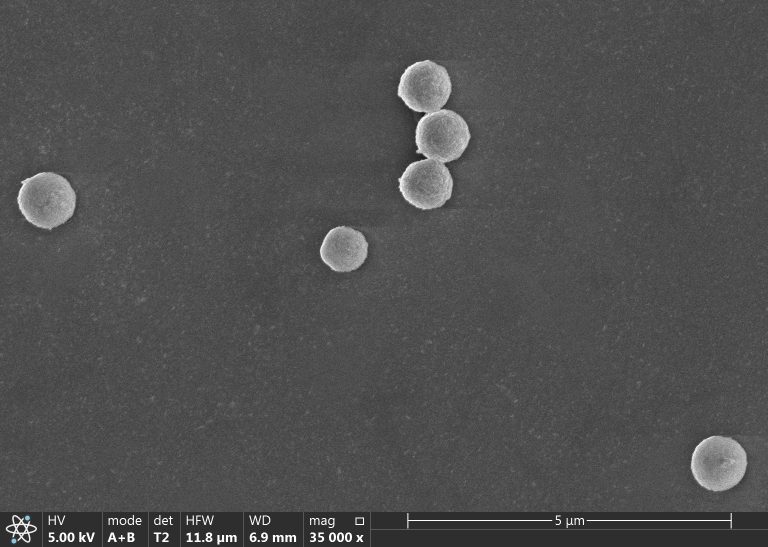
Fabricante profissional de esferas biomagnéticas


Os métodos comuns de detecção de endotoxina
Os seguintes métodos são comumente usados para detectar o conteúdo de endotoxinas em plasmídeos:
1, Método de desenvolvimento de cor de reagente de caranguejo-ferradura:
Este é um método de detecção baseado no reagente caranguejo-ferradura (Lisado de amebócito liofilizado, LAL), O reagente caranguejo-ferradura contém o fator C, Fator B, proteínas coagulase, proteínas coagulase, e outros componentes, nas condições apropriadas, endotoxina ativa o fator C, desencadeando uma série de reações enzimáticas, e, finalmente, ativar as proteínas coagulase para formar a enzima coagulase, que decompõe o agente de desenvolvimento de cor e produz p-Nitroanilina amarela (pNA, λmáx = 405nm). A geração de pNA é proporcional à concentração de endotoxina para que a concentração de endotoxina na amostra possa ser detectada quantitativamente.
2, Kit de detecção de lisado celular deformado pelo método final:
Este kit pode detectar com precisão o conteúdo de endotoxinas em proteínas, peptídeo, ou amostras de anticorpos. A concentração de endotoxina na amostra é medida pelo sinal de coloração gerado na presença de endotoxina, que pode ser detectado em 405nm em um marcador enzimático. Uma curva padrão é criada usando o E. padrão de endotoxina coli incluído em cada kit, e o nível de endotoxina é calculado dentro 16-36 minutos (até 0.01 EU/mL) dependendo da sensibilidade desejada.
3, Método de desenvolvimento dinâmico de cores:
Neste método, LPS (lipopolissacarídeo) ativa a pró-enzima no reagente do caranguejo-ferradura, catalisando o desenvolvimento da cor do substrato cromogênico, e formando um produto amarelo. O aumento da coloração amarela está positivamente correlacionado com a concentração de LPS.
4, método fotométrico:
O método fotométrico é dividido em métodos de turbidez e substrato cromogênico. O método turbidimétrico utiliza a detecção de reagente de caranguejo-ferradura e alterações de turbidez no processo de reação de endotoxina e determinação do conteúdo de endotoxina. O método do substrato cromogênico utiliza a detecção do reagente do caranguejo-ferradura e o processo de reação da endotoxina da coagulase para fazer com que o substrato específico libere a quantidade de cromóforos e determine a quantidade de endotoxina.
5, Teste semiquantitativo em gel:
Quantifique a quantidade de endotoxina no material de teste determinando a concentração no ponto final da reação. Este método quantifica o conteúdo de endotoxina no artigo de teste diluído e determina se o artigo de teste atende aos limites de endotoxina especificados.
Fornecedor
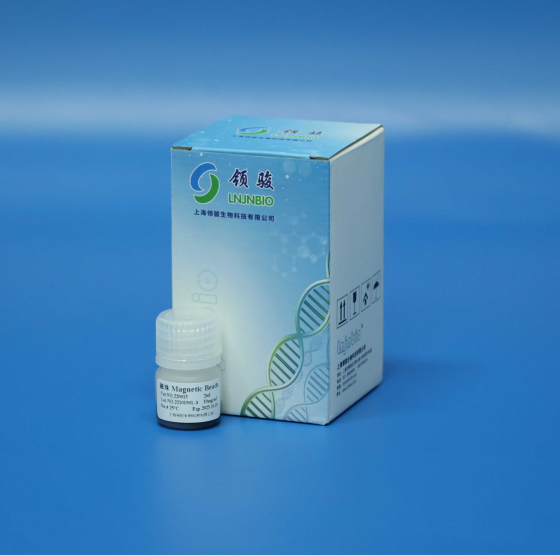
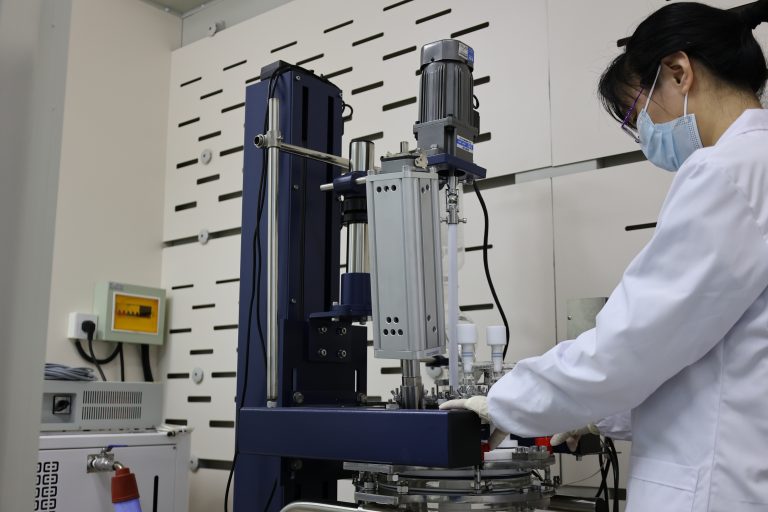
Xangai Lingjun Biotecnologia Co., Ltda.foi estabelecido em 2016 que é um fabricante profissional de materiais biomagnéticos e reagentes de extração de ácido nucleico.
Temos vasta experiência em extração e purificação de ácidos nucleicos, purificação de proteínas, separação celular, quimioluminescência e outros campos técnicos.
Nossos produtos são amplamente utilizados em muitos campos, como exames médicos, testes genéticos, pesquisa universitária, melhoramento genético, e assim por diante. Nós não apenas fornecemos produtos, mas também podemos realizar OEM, ODM, e outras necessidades. Se você tiver uma necessidade relacionada, não hesite em contactar-nos emsales01@lingjunbio.com.