Produttore professionale di perline biomagnetiche

A cosa bisogna prestare attenzione nel metodo con sfere magnetiche per l’estrazione dell’RNA dal sangue?
Precauzioni per l'estrazione dell'RNA del sangue basata su sfere magnetiche
1. Raccolta e trattamento dei campioni
1.1 Selezione dell'anticoagulante
Preferito: EDTA,inibisce le nucleasi calcio-dipendenti.
Accettabile: ACD
Evitare: Eparina (inibisce le applicazioni a valle)
1.2 Cronologia dell'elaborazione
Trattare i campioni immediatamente dopo la raccolta
Se ritardato:
Conservare il sangue intero anticoagulato a 4°C per ≤24 ore
Per la conservazione a lungo termine: Congelare le PBMC o il lisato a ≤-70°C
1.3 Volume del campione
Seguire rigorosamente i volumi consigliati dal produttore
1.4 Tecnica di miscelazione
Utilizzare un pipettaggio/vortex delicato per prevenire la degradazione dell'RNA
1.5 Rimozione degli eritrociti
Garantire la completa lisi dei globuli rossi e la rimozione dei residui di emoglobina
2. Fase di lisi
2.1 Lisi cellulare
Omogeneizzare finché non rimangono più aggregati cellulari
Rispettare il tempo/temperatura di incubazione specificati
2.2 Inibizione della RNasi
Utilizzare tampone di lisi fresco contenente denaturanti (per esempio., sali di guanidinio)
Mantenere i campioni sul ghiaccio durante la lavorazione
2.3 RNA trasportatore
Aggiungi molecole trasportatrici (per esempio., glicogeno) per campioni a bassa resa quando specificato
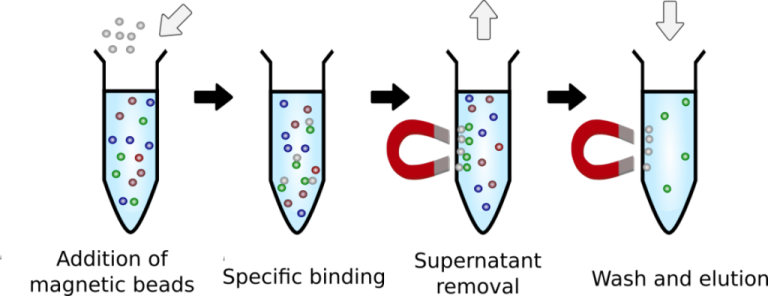
3. Rilegatura e lavaggio con perline magnetiche
3.1 Legame tra microsfere e acido nucleico
Passaggio critico: Vortex ≥30 secondi immediatamente dopo l'aggiunta delle sfere
Incubare per la durata esatta secondo il protocollo
3.2 Separazione magnetica
Posizionare le provette sul supporto magnetico per ≥2 minuti finché la soluzione non diventa trasparente
Aspirare il surnatante senza entrare in contatto con il pellet di sfere
3.3 Procedura di lavaggio
Utilizzare tamponi di lavaggio a base di etanolo appena preparati
Lavare 1: Rimuovere sali e contaminanti
Lavare 2 (opzionale): Tampone specifico del kit per il miglioramento della purezza
Lavaggio finale: Garantire la completa rimozione dell'etanolo (perline asciugate all'aria 2-5 min)
4. Fase di eluizione
4.1 Condizioni di eluizione
Utilizzare acqua priva di nucleasi o tampone TE (pH 8.0)
Incubare a 55–65°C per 5 min con miscelazione periodica
4.2 Recupero dell'RNA
Eseguire la separazione magnetica finale
Trasferire il surnatante in una nuova provetta priva di RNasi
5. Controllo qualità e stoccaggio
5.1 Valutazione della purezza
UN<sub>260/280</sub>: 1.8–2.1
UN<sub>260/230</sub>: >2.0
5.2 Verifica dell'integrità
Elettroforesi: Bande distinte di rRNA 28S/18S (2:1 rapporto)
RIN (Numero di integrità dell'RNA): ≥7 per la maggior parte delle applicazioni
5.3 Controllo della contaminazione del gDNA
Includere la fase di digestione della DNasi se richiesto per i test a valle
5.4 Magazzinaggio
Aliquota di RNA
Conservare a –80°C; Evitare >3 cicli di gelo-disgelo
Promemoria critici
Le provette EDTA sono essenziali per l'inibizione della nucleasi
L'elaborazione immediata previene la degradazione dell'RNA
La rimozione completa dell'etanolo è obbligatoria prima dell'eluizione
Ambiente privo di RNasi: Guanti, suggerimenti barriera, e superfici decontaminate
Convalidare la compatibilità del kit con il tipo di campione (per esempio., il sangue eparinizzato richiede kit specializzati)
Fornitore
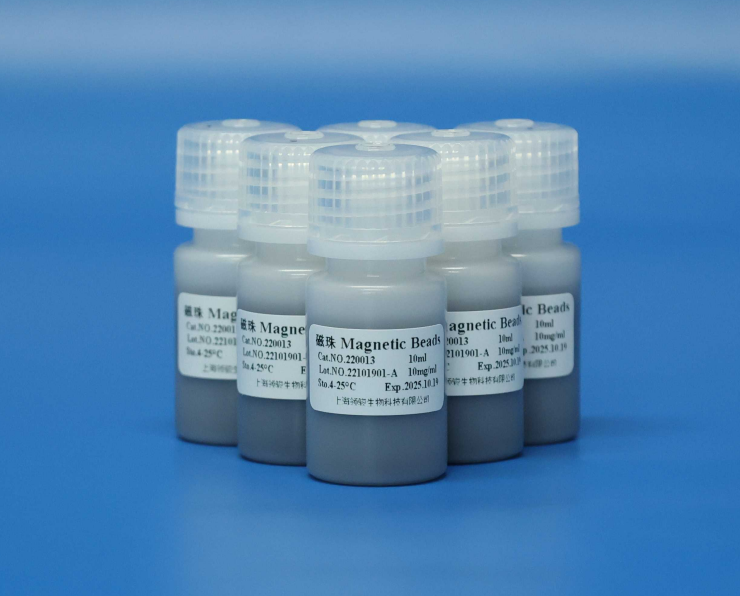
Shanghai Lingjun Biotecnologia Co., Ltd.è stato fondato nel 2016 che è un produttore professionale di materiali biomagnetici e reagenti per l'estrazione degli acidi nucleici.
Abbiamo una ricca esperienza nell'estrazione e purificazione degli acidi nucleici, purificazione delle proteine, separazione cellulare, chemiluminescenza, e altri campi tecnici.
I nostri prodotti sono ampiamente utilizzati in molti campi, come i test medici, test genetici, ricerca universitaria, allevamento genetico, e così via. Non solo forniamo prodotti, ma possiamo anche intraprendere l'OEM, ODM, e altre esigenze. Se hai un'esigenza correlata, non esitate a contattarci .