Professionele fabrikant van biomagnetische kralen

Waar moet op worden gelet bij de magnetische kralenmethode voor bloed-RNA-extractie?
Voorzorgsmaatregelen voor magnetische kralengebaseerde bloed-RNA-extractie
1. Monsterverzameling en -behandeling
1.1 Selectie van antistollingsmiddelen
Voorkeur: EDTA,remt calcium-afhankelijke nucleasen.
Aanvaardbaar: ACD
Voorkomen: Heparine (verhindert downstream-toepassingen)
1.2 Verwerkingstijdlijn
Verwerk monsters onmiddellijk na verzameling
Indien vertraagd:
Bewaar ontstold volbloed bij 4 °C gedurende ≤24 uur
Voor langdurige opslag: Bevries PBMC's of lysaat bij ≤-70°C
1.3 Monstervolume
Volg strikt de door de fabrikant aanbevolen volumes
1.4 Mengtechniek
Gebruik voorzichtig pipetteren/vortexen om RNA-afbraak te voorkomen
1.5 Erytrocyten verwijderen
Zorg voor volledige RBC-lyse en verwijdering van hemoglobineresiduen
2. Lysis fase
2.1 Cellysis
Homogeniseer totdat er geen celaggregaten meer over zijn
Houd u aan de gespecificeerde incubatietijd/temperatuur
2.2 RNase-remming
Gebruik verse lysisbuffer die denaturanten bevat (bijv., guanidiniumzouten)
Bewaar monsters op ijs tijdens de verwerking
2.3 Drager-RNA
Voeg dragermoleculen toe (bijv., glycogeen) voor monsters met een lage opbrengst, indien gespecificeerd
3. Magnetische kralen binden en wassen
3.1 Kraal-nucleïnezuurbinding
Cruciale stap: Vortex ≥30 sec onmiddellijk na het toevoegen van kralen
Incubeer voor de exacte duur per protocol
3.2 Magnetische scheiding
Plaats de buisjes gedurende ≥2 minuten in een magnetische standaard totdat de oplossing helder is
Zuig het supernatant op zonder in contact te komen met de parelpellet
3.3 Wasprocedure
Gebruik vers bereide wasbuffers op basis van ethanol
Wassen 1: Verwijder zouten en verontreinigingen
Wassen 2 (optioneel): Kit-specifieke buffer voor verbetering van de zuiverheid
Laatste wasbeurt: Zorg voor volledige verwijdering van ethanol (luchtdroge kralen 2-5 min)
4. Elutiefase
4.1 Elutieomstandigheden
Gebruik nucleasevrij water of TE-buffer (pH 8.0)
Incubeer gedurende 55–65°C 5 min. met periodiek mengen
4.2 RNA-herstel
Voer een definitieve magnetische scheiding uit
Breng supernatant over naar een nieuwe RNase-vrije buis
5. Kwaliteitscontrole en opslag
5.1 Zuiverheidsbeoordeling
A<sub>260/280</sub>: 1.8–2.1
A<sub>260/230</sub>: >2.0
5.2 Integriteitsverificatie
Elektroforese: Duidelijke 28S/18S rRNA-banden (2:1 verhouding)
RIN (RNA-integriteitsnummer): ≥7 voor de meeste toepassingen
5.3 gDNA-besmettingscontrole
Voeg indien nodig een DNase-digestiestap toe voor downstream-assays
5.4 Opslag
Aliquot-RNA
Bewaren bij –80°C; voorkomen >3 vries-dooi cycli
Kritische herinneringen
EDTA-buizen zijn essentieel voor nucleaseremming
Onmiddellijke verwerking voorkomt RNA-afbraak
Volledige verwijdering van ethanol is verplicht vóór elutie
RNase-vrije omgeving: Handschoenen, barrière tips, en gereinigde oppervlakken
Valideer de compatibiliteit van de kit met het monstertype (bijv., gehepariniseerd bloed vereist gespecialiseerde kits)
Leverancier
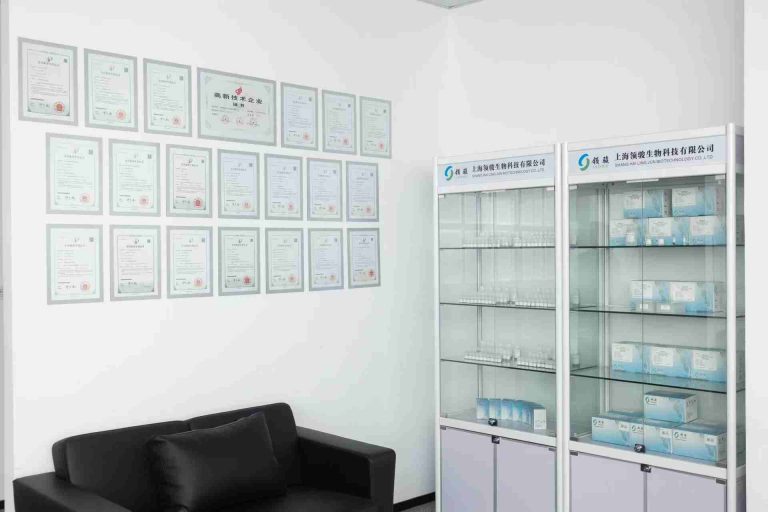
Shanghai Lingjun Biotechnologie Co., Ltd.werd opgericht in 2016 dat een professionele fabrikant is van biomagnetische materialen en reagentia voor nucleïnezuurextractie.
We hebben een rijke ervaring in de extractie en zuivering van nucleïnezuren, eiwit zuivering, cel scheiding, chemiluminescentie, en andere technische gebieden.
Onze producten worden op veel gebieden veel gebruikt, zoals medische testen, genetische testen, universitair onderzoek, genetische veredeling, enzovoort. Wij leveren niet alleen producten, maar kunnen ook OEM ondernemen, ODM, en andere behoeften. Als u een gerelateerde behoefte heeft, Neem gerust contact met ons op .