Monaróir Gairmiúil Coirníní Bithmhaighnéadacha

Cad ba chóir aird a thabhairt air sa mhodh coirníní maighnéadach d'eastóscadh RNA fola?
Réamhchúraimí le haghaidh Eastóscadh RNA Fola Maighnéadach Feirb-Bhunaithe
1. Bailiú Samplach agus Láimhseáil
1.1 Roghnú Anticoagulant
Is fearr: EDTA,cuireann sé bac ar núicléis atá ag brath ar chailciam.
Inghlactha: ACD
Seachain: Heparin (cuireann sé bac ar iarratais iartheachtacha)
1.2 Amlíne Próiseála
Próiseáil samplaí díreach tar éis iad a bhailiú
Má chuirtear moill air:
Stóráil lánfuil frith-théachtach ag 4°C ar feadh ≤24 h
Le haghaidh stórála fadtéarmach: Reo PBMCanna nó lysate ag ≤-70 ° C
1.3 Toirt Samplach
Lean go docht na méideanna atá molta ag an monaróir
1.4 Teicníc Measctha
Úsáid píobaireacht mhín/vortexing chun díghrádú RNA a chosc
1.5 Deireadh a chur le Erythrocyte
Cinntigh lysis RBC iomlán agus baint iarmhair haemaglóibin
2. Céim Lysis
2.1 Cille Lysis
Homogenize go dtí nach bhfanann comhiomláin cille
Cloí leis an am goir/teocht sonraithe
2.2 Cosc ar RNase
Úsáid maolán lí úr ina bhfuil dínádúraigh (e.g., salainn guanidinium)
Coinnigh samplaí ar oighear le linn próiseála
2.3 RNA Iompróir
Cuir móilíní iompróra leis (e.g., glycogen) le haghaidh samplaí ísealtáirgeachta nuair a shonraítear iad
3. Ceangal agus Níochán Bead Maighnéadach
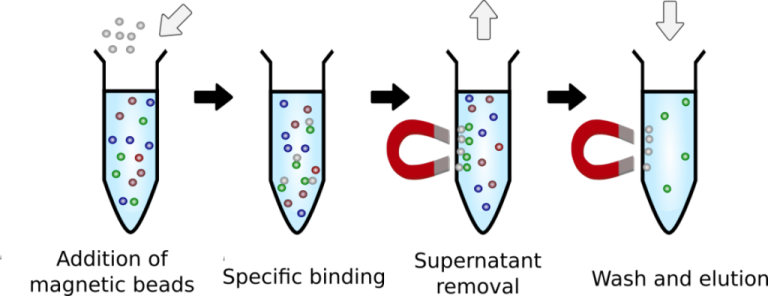
3.1 Ceangal Bead-Aigéad Núicléach
Céim chriticiúil: Vortex ≥30 sec díreach tar éis coirníní a chur leis
Gor ar feadh ré beacht in aghaidh an phrótacail
3.2 Scaradh Maighnéadach
Cuir na feadáin i seastán maighnéadach ar feadh ≥2 nóiméad go dtí go nglanann an tuaslagán
Sáróstach asúiteach gan teagmháil a dhéanamh le millíní coirníní
3.3 Nós Imeachta Níocháin
Úsáid maoláin níocháin atá bunaithe ar eatánól úrullmhaithe
Nigh 1: Bain salainn agus ábhar salaithe
Nigh 2 (roghnach): Maolán Kit-shonrach le haghaidh feabhsú íonachta
Nigh deiridh: Cinntigh baint iomlán eatánóil (coirníní aer-tirim 2-5 nóim)
4. Céim Elution
4.1 Coinníollacha elution
Úsáid uisce saor ó núicléas nó maolán TE (pH 8.0)
Goir ag 55–65°C le haghaidh 5 min le meascán tréimhsiúil
4.2 Aisghabháil RNA
Déan scaradh maighnéadach deiridh
Aistrigh an feadán go dtí feadán nua saor ó RNase
5. Rialú Cáilíochta agus Stóráil
5.1 Measúnú Íonachta
A<fo>260/280</fo>: 1.8–2.1
A<fo>260/230</fo>: >2.0
5.2 Fíorú Sláine
Leictreafóiréis: Bannaí rRNA ar leith 28S/18S (2:1 cóimheas)
RIN (Uimhir Sláine RNA): ≥7 don chuid is mó d'iarratais
5.3 Seiceáil Éillithe gDNA
Cuir céim díleá DNA san áireamh más gá do thástálacha iartheachtacha
5.4 Stóráil
Aliquot RNA
Stóráil ag -80 ° C; sheachaint >3 timthriallta reo-leá
Meabhrúcháin Chriticiúla
Tá feadáin EDTA riachtanach do chosc ar núicléas
Cuireann próiseáil láithreach cosc ar dhíghrádú RNA
Tá baint iomlán eatánóil éigeantach roimh elution
Timpeallacht saor ó RNase: Lámhainní, leideanna bacainn, agus dromchlaí dí-éillithe
Comhoiriúnacht an trealaimh leis an gcineál sampla a bhailíochtú (e.g., Éilíonn fuil heparinized feisteáin speisialaithe)
Soláthraí
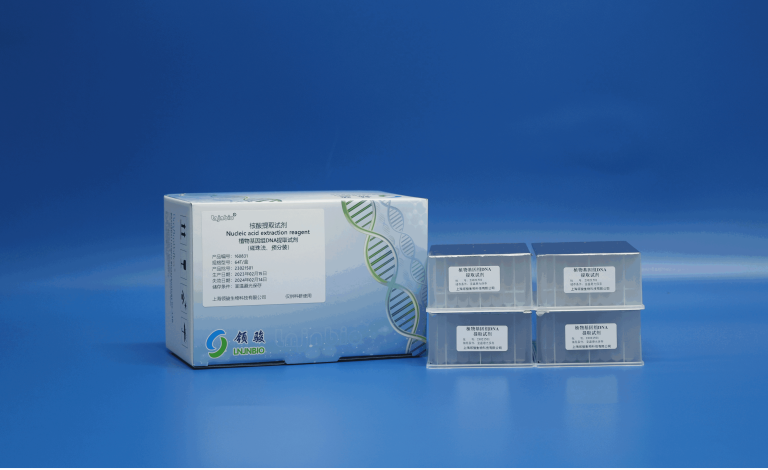
Shanghai Lingjun Biteicneolaíocht Co., Teo.bunaíodh i 2016 atá ina mhonaróir gairmiúil d'ábhair bithmhaighnéadacha agus imoibrithe eastóscadh aigéid núicléacha.
Tá taithí shaibhir againn in eastóscadh agus íonú aigéad núicléasach, íonú próitéine, scaradh cille, ceimileacanacht, agus réimsí teicniúla eile.
Úsáidtear ár gcuid táirgí go forleathan i go leor réimsí, mar thástáil leighis, tástáil ghéiniteach, taighde ollscoile, pórú géiniteach, agus mar sin de. Ní chuirimid ar fáil ach táirgí ach freisin is féidir tabhairt faoi OEM, ODM, agus riachtanais eile. Má tá riachtanas gaolmhar agat, bíodh leisce ort teagmháil a dhéanamh linn .