Monaróir Gairmiúil Coirníní Bithmhaighnéadacha


Straitéisí bunúsacha agus modhanna dí-endotoxinization le linn íonú DNA plasmid....
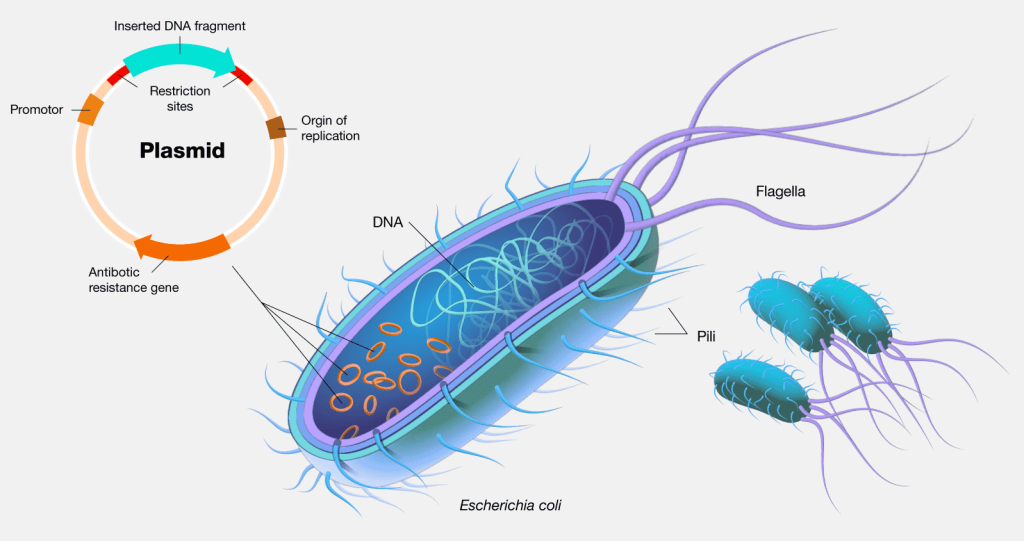
Úsáid plasmid saor ó endotoxin a chur san áireamh nuair a úsáidtear an DNA plasmid asbhainte le haghaidh aistriú bunúil, fionraí, nó cealla íogair, staidéir tosta géine, micromanipulation instealladh cille, géinteiripe nó vacsaíní DNA,agus turgnaimh eile an-éilitheach.
Tagraíonn dí-endotoxinization plasma don chéim a bhaineann le deireadh a chur le endotoxin (lipopolysaccharide, LPS) le linn íonú DNA plasmid. Is coimpléasc lipopolysaccharide agus próitéin é endotoxin sa bhalla cille de bhaictéir Gram-diúltacha a scaoiltear nuair a bhíonn na baictéir ag líseáil. Cuireann láithreacht endotoxin isteach go mór ar éifeachtúlacht aistrithe agus féadfaidh sé frithghníomhartha neamhshonracha cealla imdhíonachta a ghníomhachtú., mar thoradh ar dearfacha bréagach sa turgnamh. Dá bhrí sin, d'fhonn ráta aistrithe ard agus maireachtáil ard na gcealla aistrithe a áirithiú, ní mór endotoxin a bhaint as an bpróiseas ullmhúcháin plasmid.
Is é an tábhacht a bhaineann le baint endotoxin:
1.Difear éifeachtúlacht aistrithe: laghdóidh endotoxin éifeachtúlacht aistrithe na gcealla príomhúla agus na gcealla saothraithe íogaire, agus cur isteach ar aistriú in vitro na gceall imdhíonachta.
2.Gníomhachtaigh freagra imdhíonachta: is féidir fiabhras a bheith mar thoradh ar endotoxin freisin, hipiteannas, anacair riospráide, téachtadh infhéitheach, agus siondróm turraing endotoxic, is féidir le endotoxin sintéis fachtóirí athlastacha IL-1 a spreagadh, IL-6, IL-10, agus TNF-α trí TLR4 a ghníomhachtú.
3,.Ceanglais rialála drugaí: Ordaíonn an Riarachán Stáit Drugaí nár cheart go mbeadh an t-ábhar endotoxin i dtáirgí vacsaínithe DNA níos airde ná 0.01 AE/μg, agus níor chóir go mbeadh an dáileog le haghaidh úsáide pearsanta níos mó 20 AE.
Tá dhá straitéis ann chun endotoxin a bhaint:
1. A bhaint ag an gcéim ceangailteach: baintear endotoxin ag an gcéim ceangailteach DNA plasmid.
2. A bhaint tar éis elution: bhaint endotoxin tar éis elution DNA plasmid.
Áirítear ar na modhanna a bhaint endotoxin reatha go príomha:
1. A bhaint neamh-roghnach: mar asaithe, ultrascagadh, agus crómatagrafaíocht eisiaimh.
2. Fascadh roghnach: e.g., ag baint úsáide as polymyxin B, histidine, agus crómatagrafaíocht chleamhnais il-L-lísín.
3. Crómatagrafaíocht idirghníomhaíochta hidreafóbach agus crómatagrafaíocht mhalartaithe ian.
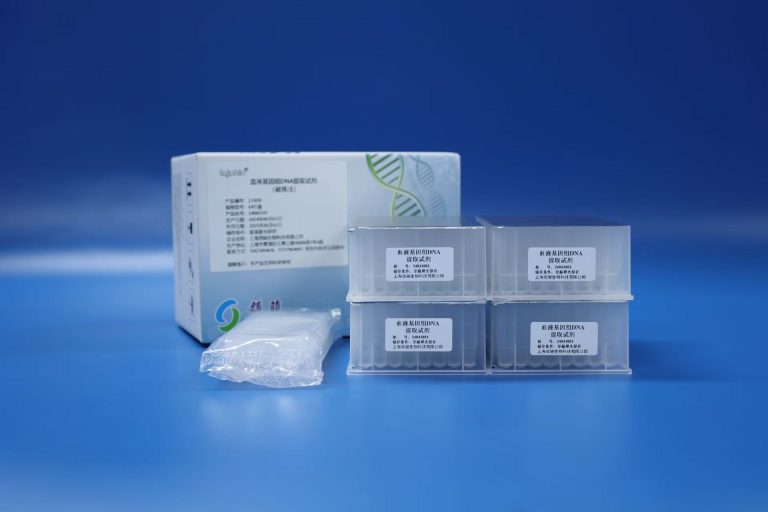
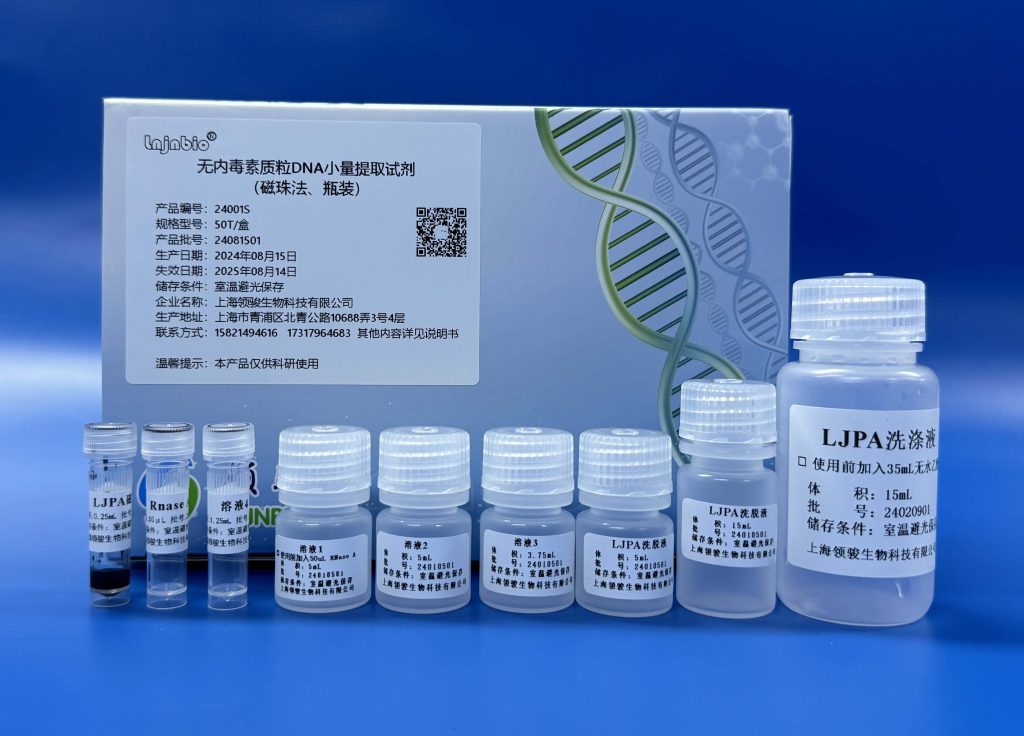
Ár trealamh eastósctha DNA plasmid saor ó endotoxin (modh coirníní maighnéadach) glacann sé foirmle réitigh uathúil a éilíonn ach cúpla nite simplí chun endotoxin a bhaint, próitéiní, polaisiúicrídí, agus neamhíonachtaí eile, agus ansin faigheann sé DNA plasmid ard-chaighdeán. Déanann an táirge seo DNA plasmid a bhaint as agus a íonú gan mórán damáiste do phlasmidí, tiúchan eastóscadh ard, agus céatadán ard sár-helix. Is féidir an DNA plasmid asbhainte a úsáid le haghaidh díleá, PCR, seicheamh, ligation,n agus claochlú.
Soláthraí
Shanghai Lingjun Biteicneolaíocht Co., Teo.bunaíodh i 2016 atá ina mhonaróir gairmiúil d'ábhair bithmhaighnéadacha agus imoibrithe eastóscadh aigéid núicléacha.
Tá taithí shaibhir againn in eastóscadh agus íonú aigéad núicléasach, íonú próitéine, scaradh cille, chemiluminescence agus réimsí teicniúla eile.
Úsáidtear ár gcuid táirgí go forleathan i go leor réimsí, mar thástáil leighis, tástáil ghéiniteach, taighde ollscoile, pórú géiniteach, agus mar sin de. Ní chuirimid ar fáil ach táirgí ach freisin is féidir tabhairt faoi OEM, ODM, agus riachtanais eile.Má tá riachtanas gaolmhar agat, bíodh leisce ort teagmháil a dhéanamh linn agdíolacháin01@lingjunbio.com.
- Optamú Teicniúil ar Eastóscadh Iomlán RNA ó Fhíocháin Ainmhithe Coimpléascacha: Measúnú ar Phrótacal Mion-eastósctha Bunaithe ar an Modh Coirnín Maighnéadach
- Sliocht coirníní maighnéadacha láimhe sa gheimhreadh: Réamhchúraimí Buntábhachtacha maidir le Láimhseáil Teocht Íseal
- Coirníní Maighnéadacha: Conas a Bhaint Amach “Aspiration Aon Chéim” i Eastóscadh RNA?
- Cosc ar Víreas Nipah agus Brath Luath ag Úsáid Teicneolaíocht Coirníní Maighnéadacha - Straitéisí Nua um Rialú Ráige
- Kit Uilíoch Iomlán RNA Eastóscadh: An Eochair chun Díghrádú RNA a Chosc i dTrialacha Gnáthaimh